

At the heart of Jennifer Collier’s work is a love of experimentation as she explores what is possible – and what is not.
As a student, she worked with materials such as orange peel, jelly tots and other edible items; now she mines the pages of books, and scours charity shops and flea markets for pre-loved printed ephemera to feature in her work.
Her love of literature has always been a pull, and pursuing this interest led her to focus exclusively on working with paper. She spends hours painstakingly recreating household objects as 3D sculptures by manipulating and stitching paper, the latter often having a story of its own to contribute.
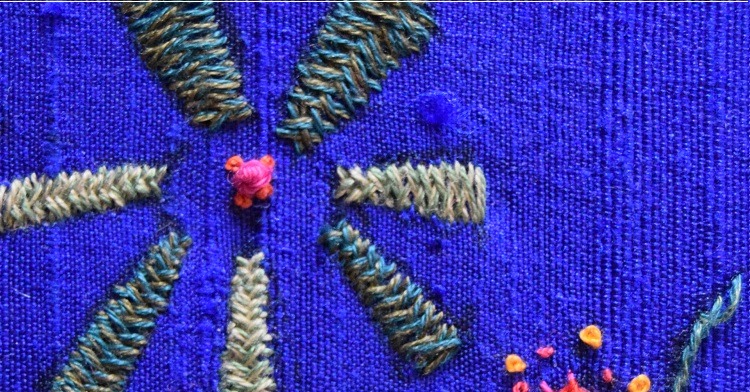
It’s not just discarded ephemera that she rescues. Jennifer has a passion for resurrecting heritage hand stitches. She explains that taking the time to master and then repurpose a stitch to use with paper is also about making sure that an important part of our textile heritage is not lost but, instead, is kept alive.
Her artworks are the result of many hours of work and much head scratching. She freely admits that half of what she creates ends up in the bin, but also that the other half wouldn’t happen without these mistakes – or the occasional happy accident.
This willingness to experiment allows her to innovate techniques that make her work unique. It’s also an attitude that has helped her overcome her fears and say yes to opportunities, which have pushed her practice in new and unexpected directions.
Inspiration between the lines
Jennifer Collier: My current practice focuses on creating work from paper, and my go-to inspiration is always literature. When I started out with textile work, I was always trying to emulate the qualities of books and paper, which is why they became the material as well as the inspiration for my making.
My stitched papers explore the ‘remaking’ of household items. It might be a certain text, quote or even a book cover that sparks ideas for me.
There were a number of years when my work straddled paper and textiles, but I found there were too many options and possibilities, so I began to focus on paper.
By limiting my medium to paper, I feel my work is more coherent and I don’t risk getting side-tracked.
Jennifer Collier, Textile artist
Sustainable working
I source the papers by scouring charity shops and flea markets. Through re-use and transformation, I give new life to things that would otherwise be thrown away. I enjoy nothing more than finding a recipe book splattered with food stains or a book that a child has loved enough to take the time to colour in the illustrations – these are things that others may throw away, but I can transform them into something beautiful. Sometimes I’ll store papers for years before I am brave enough to use them.
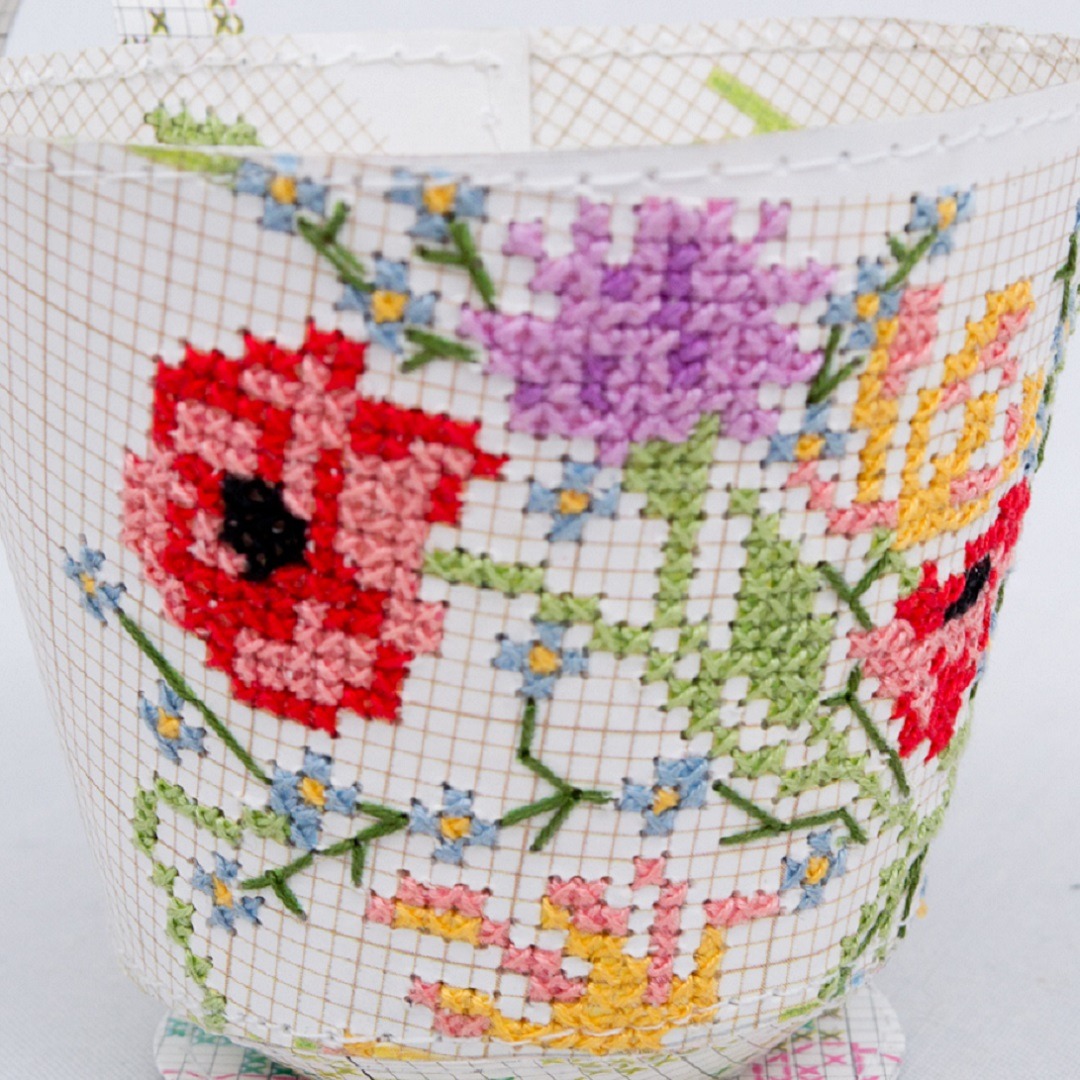
I treat the papers like cloth and the main technique I employ is stitch, making this a contemporary twist on traditional textile art work. I use both hand and machine stitch. Where possible, I try to use traditional embroidery techniques.
The papers are rarely treated in any way, apart from some of the shoes I’ve made, which are formed over a mould using a moulding medium. Through years of practice you get a feel for how far you can push the paper and when it is going to tear, as well as which papers work best for each job.
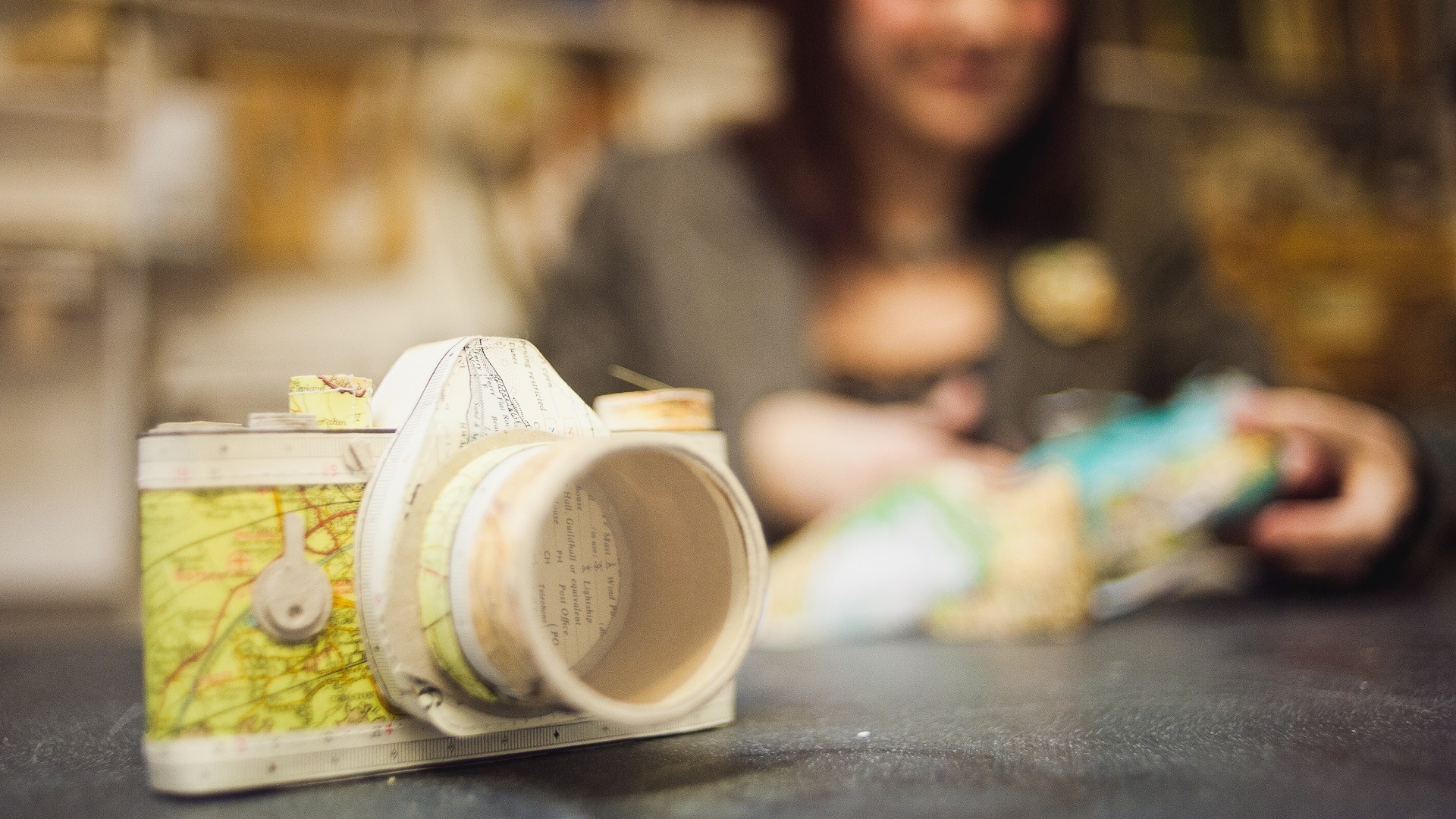
The papers serve as both the inspiration and the medium for my work, and their content suggests the forms. For example, I’ve made a sewing machine made from dress-making patterns, or a camera out of vintage photographs.
A contemporary twist
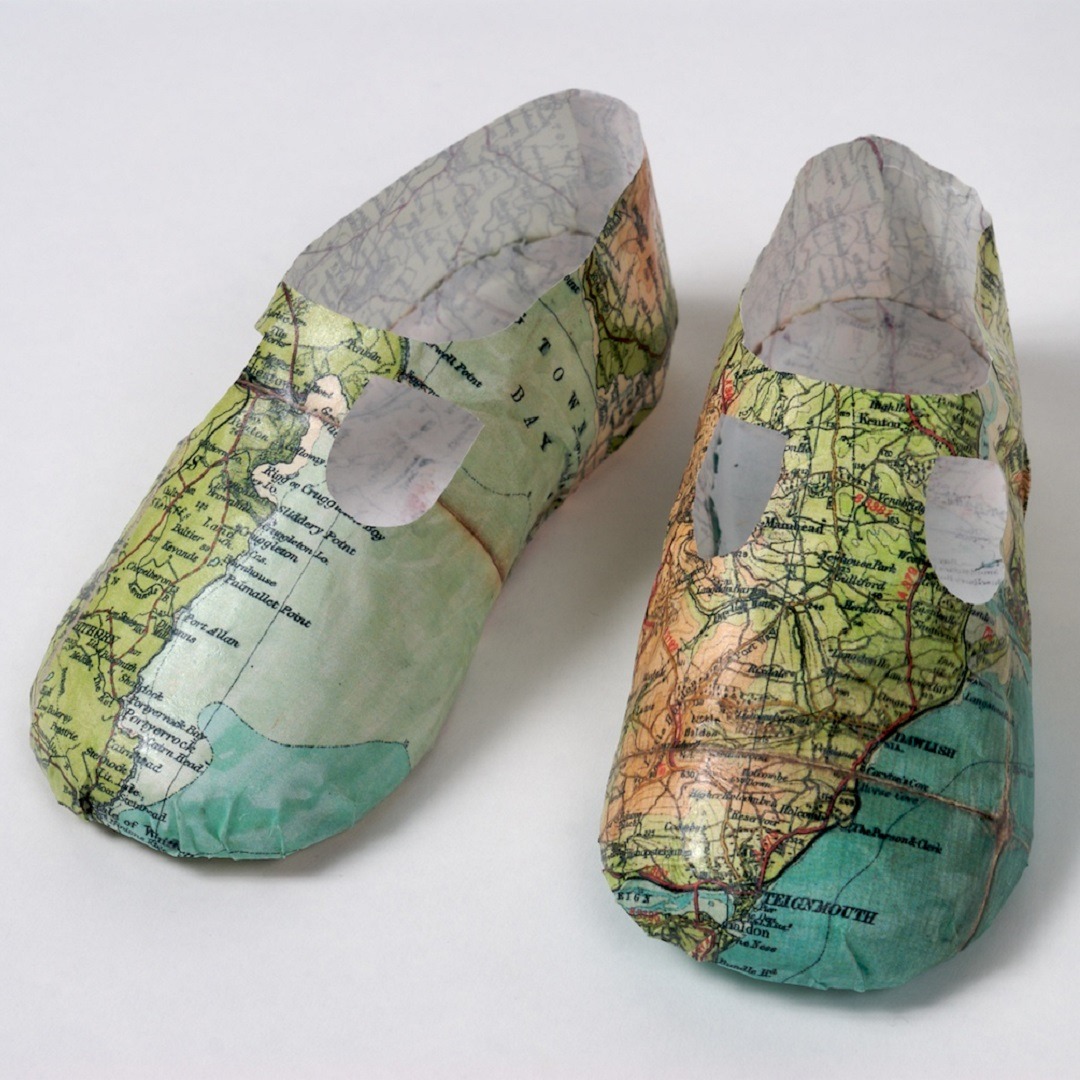
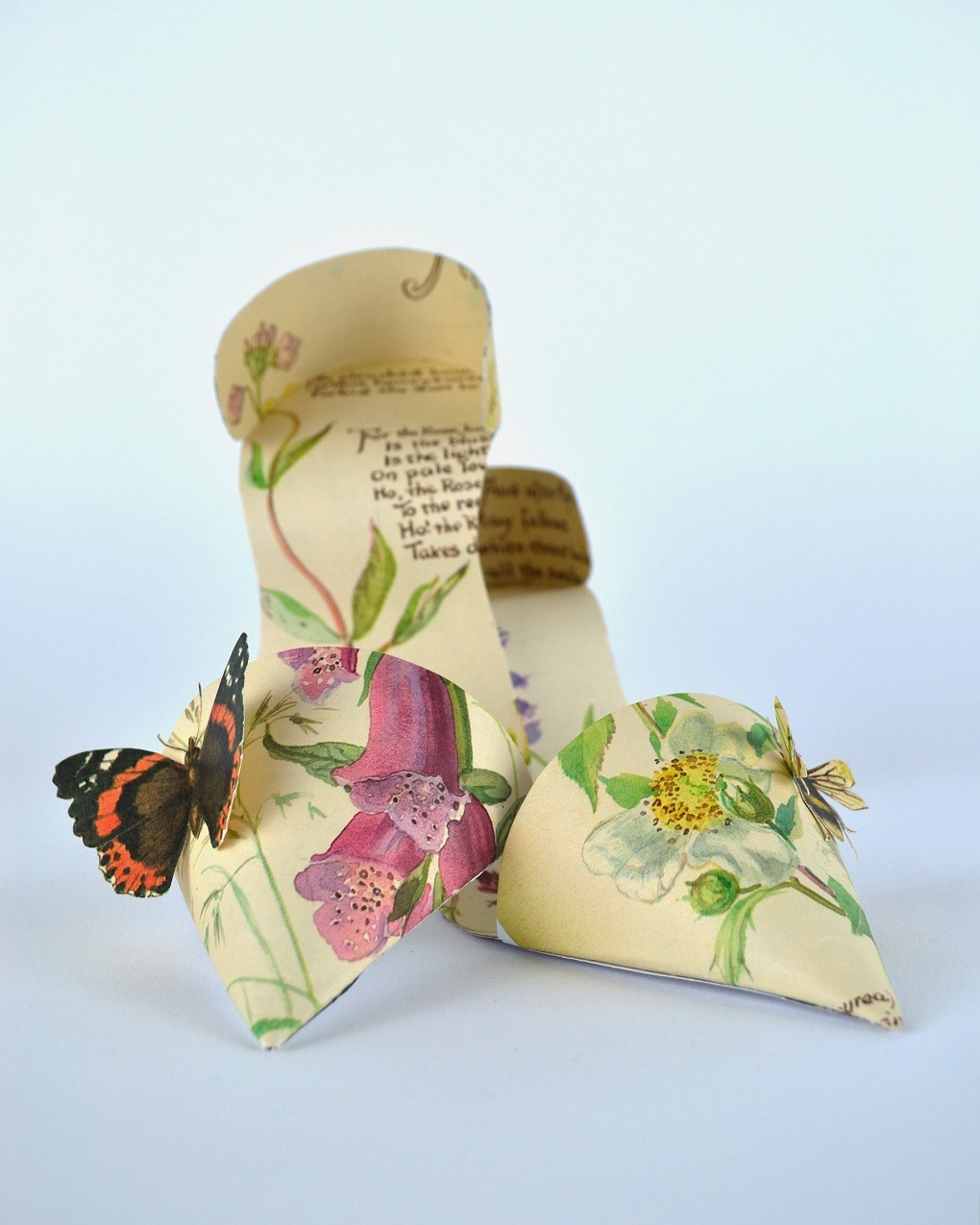
My way of working is still based on the processes of my textiles training and past work. I make stiletto and brogue shoes from a flat template that I’ve designed to construct into a three-dimensional shoe shape. Ballet slippers are hand-stitched to form the shape. I make all my own patterns, templates and moulds, so all the shapes are my own design and unique to me.
The trickiest part of my practice is devising templates so the piece can be repeated. I make exact measurements of an existing object, to the millimetre, and work out the pattern pieces for every component part of the item.
Once I’ve made the template I make a test piece – the equivalent of making a toile in dress-making – to check that the pattern works (which it rarely does first time). From this, I refine the pattern until it fits together perfectly. This can sometimes take weeks. Once the pattern is resolved, I make the actual piece from my gorgeous recycled papers.
Although slow, this templating process is invaluable.
However, the research and template development time can make the finished commission quite expensive. I now offer personalised pieces instead of open commissions – customers can choose the papers I use, which makes the process more viable.
Happy accidents
I believe the best way to learn is by not being afraid to make mistakes, this way you allow yourself to have happy accidents.
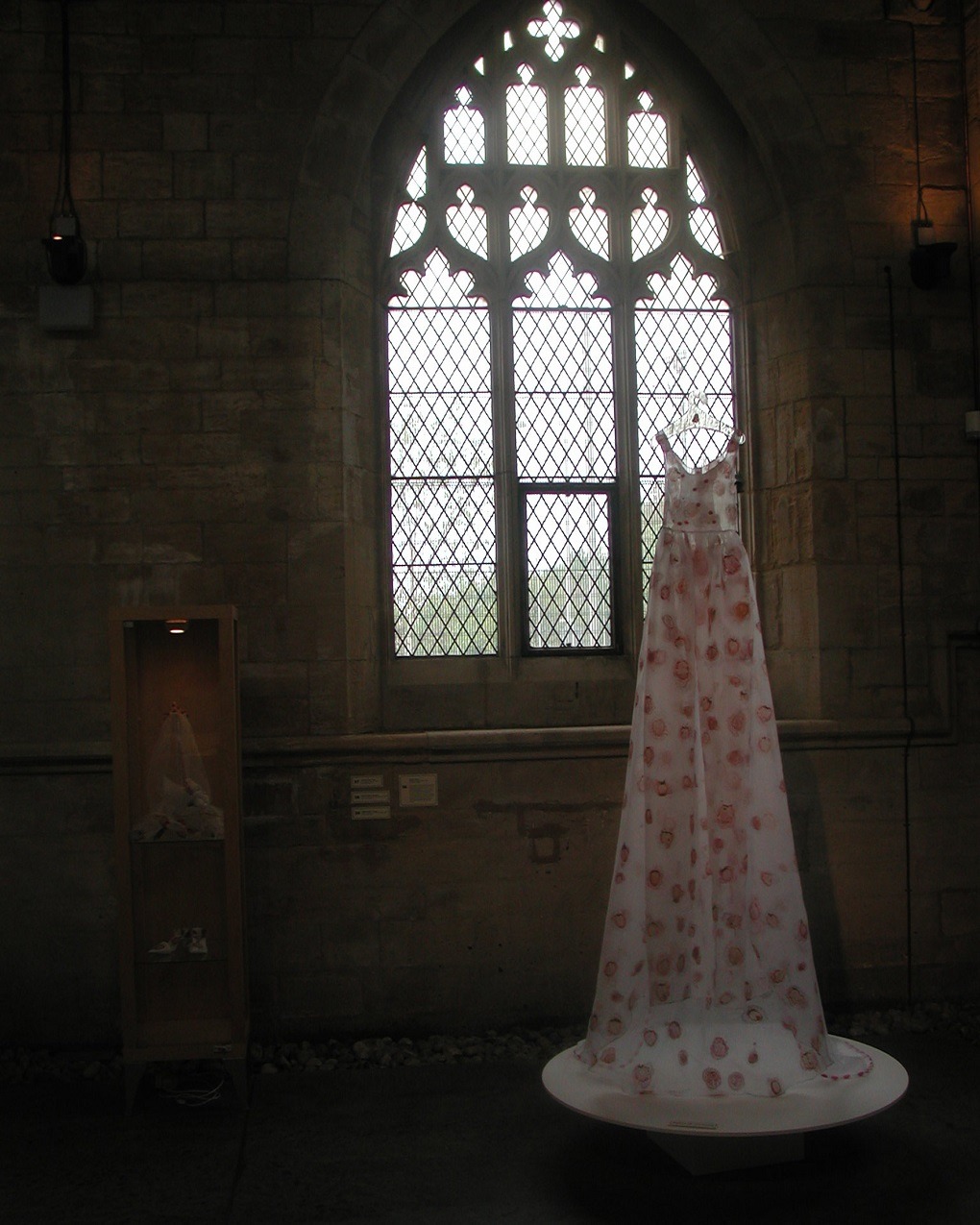
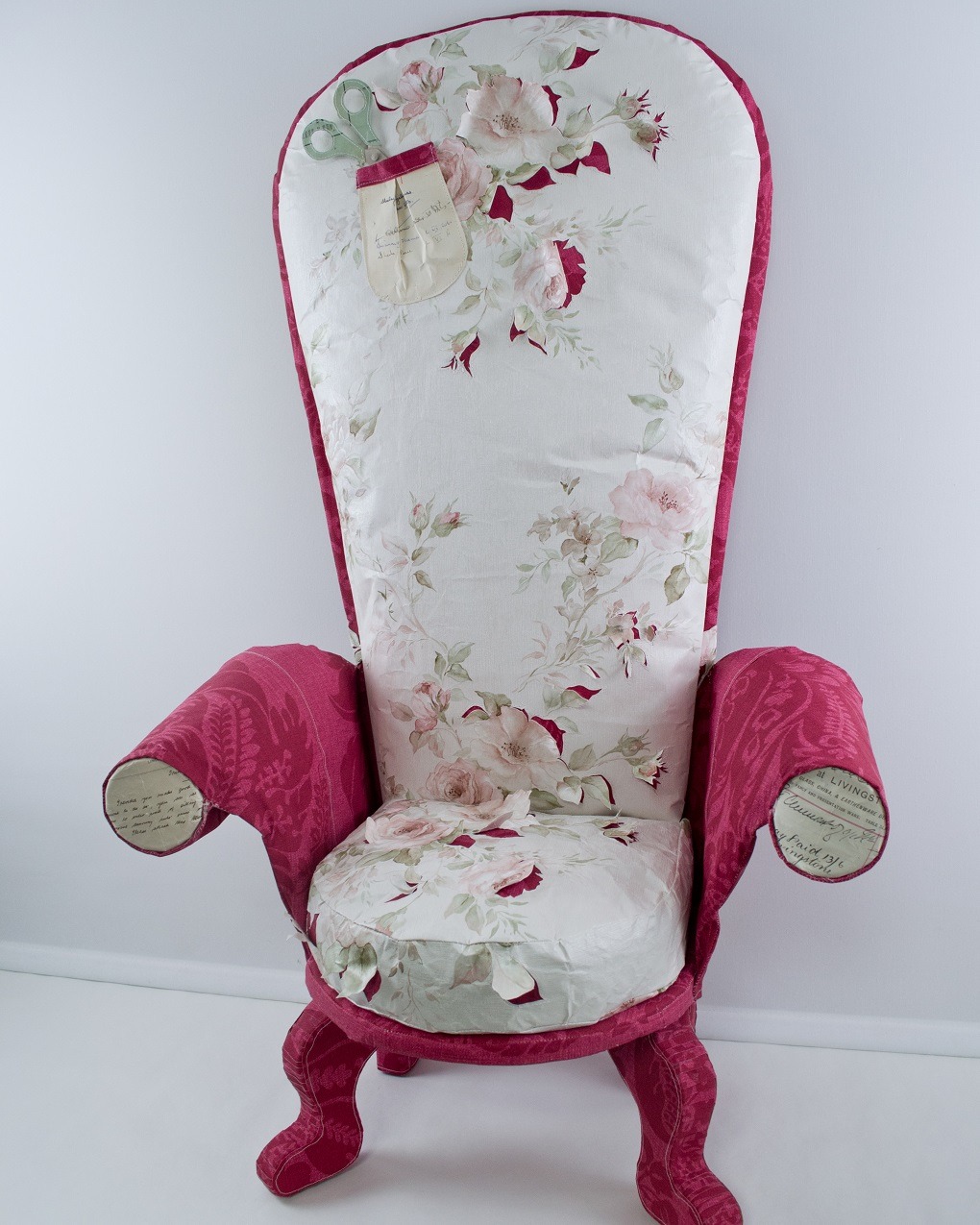
When I was studying, I started experimenting with different materials, weaving with orange peel, melting fruit bags – all manner of things my tutors did not approve of! My degree show was a collection of six eight-foot dresses made out of fruit and fabric, with a pair of shoes accompanying each dress.
The techniques I use in my work today all came about by experimenting with different media and techniques. Spending time playing with materials is when you often discover something truly unique.
Half of my work never sees the light of day, but has allowed me to explore the techniques that make my work unique.
Jennifer Collier, Textile artist
Embracing the unexpected
A turning point for me was meeting renowned textile artist Amanda Clayton, who was my tutor on my foundation art course; If it were not for her, I would never have developed a love for stitch (or be brave enough to ‘drive’ a sewing machine).
Until that point, all I had ever seen and learnt at school was painting and drawing. Mandy showed me the many facets of textiles and what they could be. She was always very patient, no matter how many needles I snapped.
Another pivotal moment for me arose out of adversity. Several years ago I had a massive problem with plagiarism, with others copying my dresses and shoes. Having blazed an unconventional trail – I had been part of a movement that had made unwearable art items the norm – many others were now making work just like mine.
I realised I would just have to push my practice in a new direction. I began to make more intricate and complex work. This experience pushed my practice to the stage it is now, making stitched 3D paper replicas of original items.
As a result, my work now has amazing attention to detail and reflects my own artistic style. There is no point making work like someone else’s – innovate, don’t imitate.
My advice is to be patient and experiment – learn a new skill and then make it your own.
Jennifer Collier, Textile artist
Lost, found & reinvented
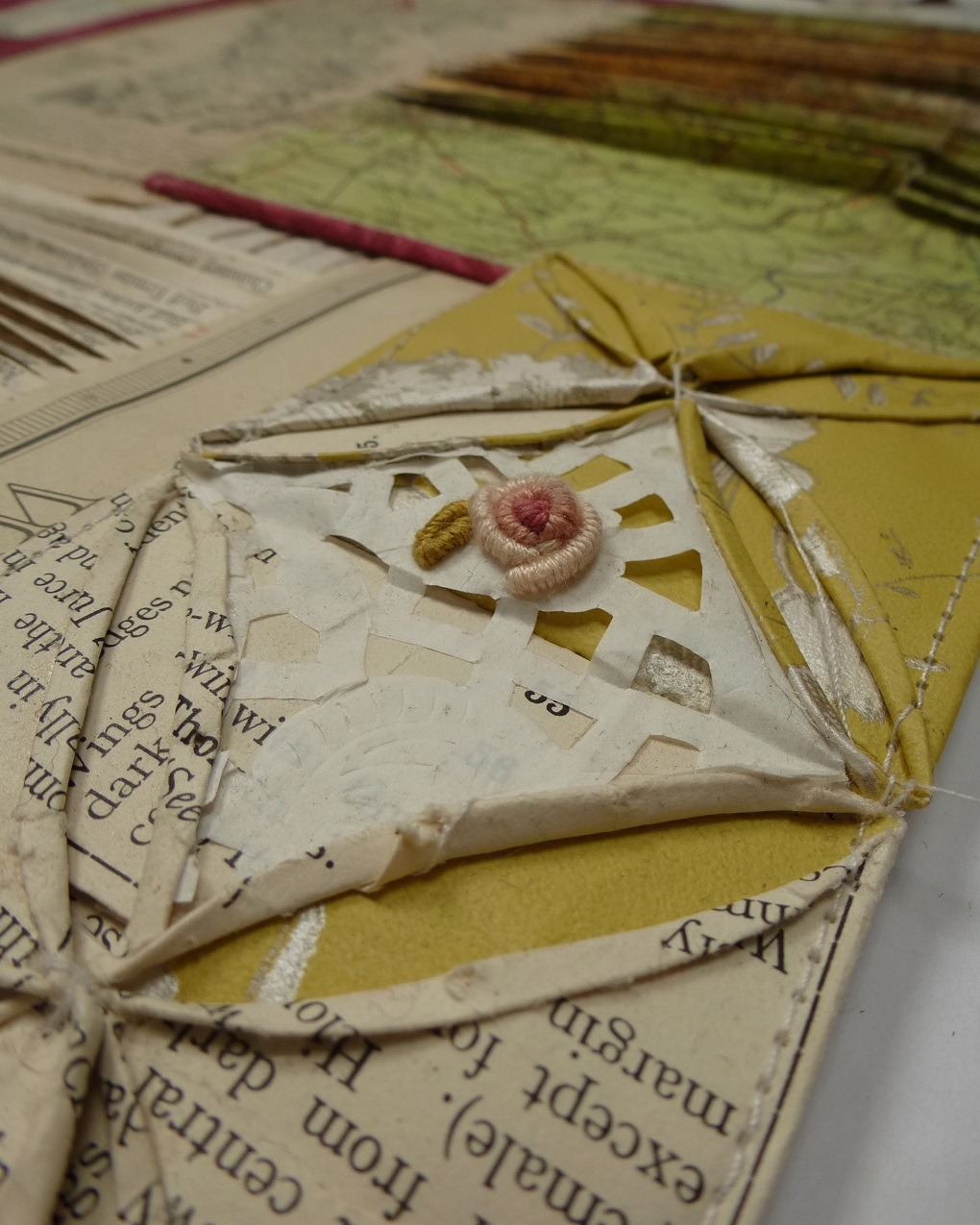
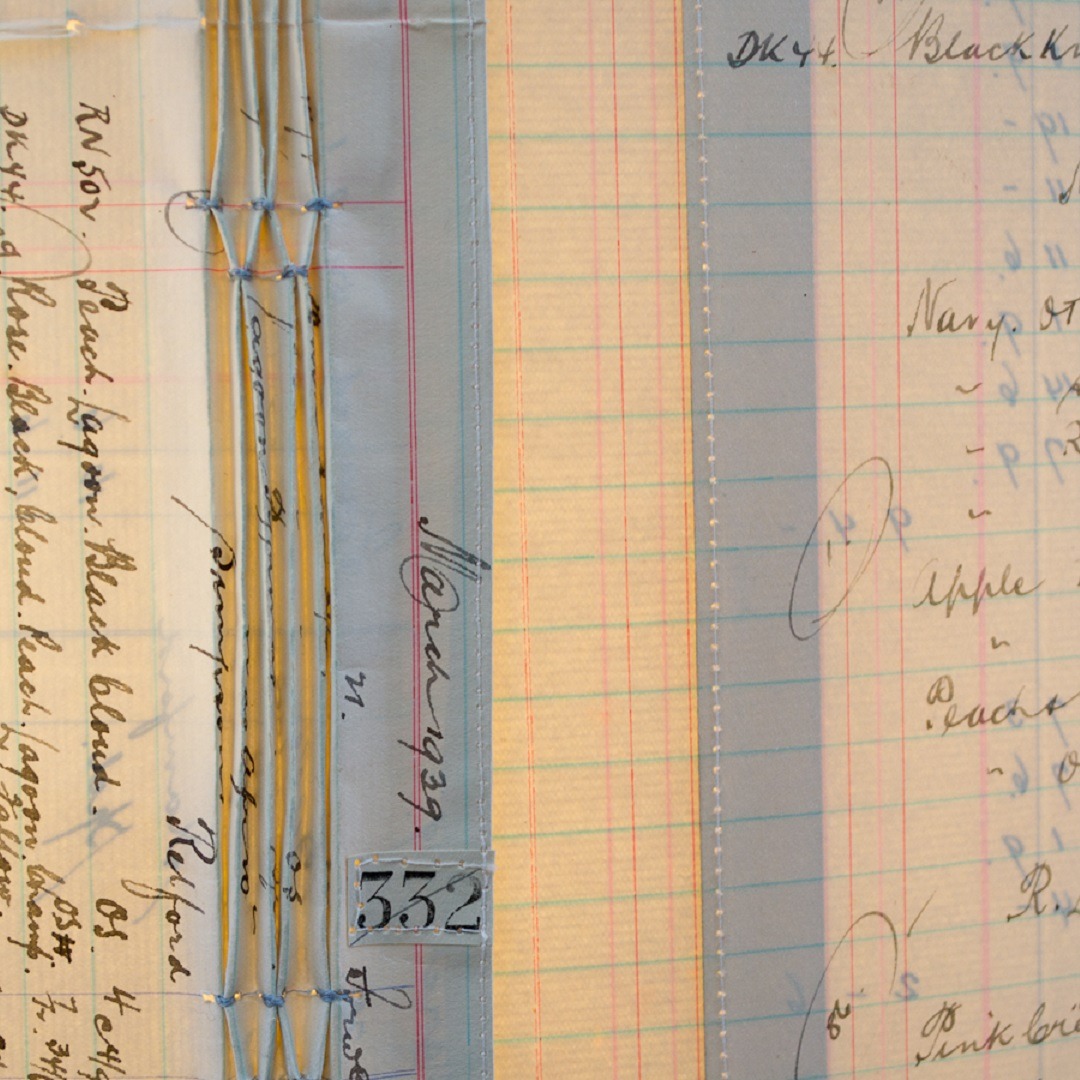
I am really interested in translating ‘lost stitches’ for use on paper. Many heritage stitches have become redundant, mainly due to quicker alternatives being available on a sewing machine. For example, the picot stitch I use is a detached buttonhole stitch, which originally used to be a decorative button loop at the top of a garment.
I’m particularly interested in decorative edging stitches. I like to learn a stitch and then take the time to translate it for use on paper. It’s quite a slow process, first to master the stitch and then find a way of using it without the paper tearing.
Being dyslexic, I struggle to learn by following instructions and diagrams in books. However, when I’m teaching in workshops people will often share their favourite stitches too, so it becomes a learning experience for everyone, including me.
Unfortunately, I think the ability to sew is already being lost thanks to fast fashion. There will be a whole generation who cannot do simple repairs, resulting in garments ending up in landfill.
Mending is an important life skill but, more than that, if these rarely-used heritage stitches are not taught and kept alive, an important part of our cultural heritage will be lost along with them.
The artist lifestyle
When I started out, I had such romantic visions of sitting sewing all day. I juggle quite a lot as part of my ‘portfolio career’ – creating work, fulfilling orders, trying out new ideas, running workshops, giving talks, exhibiting, creating work for public art commissions and attending residencies. Alongside all of this I run my own gallery – and then there is the admin! Unfortunately, It’s always the making of new work and developing new ideas that end up at the bottom of the list, but I always vow to make more time for this.
It’s very hard to turn down paid work and I struggle to fit everything in. Some things that I really hate, like book-keeping, tax returns and updating the website, are done by Print Garage (run by my life and business partner). However, there are some jobs such as updating social media that I still want to do myself. I probably spend an average of two hours a day just replying to emails! Luckily I’ve got to the stage where I can pick and choose a little bit more, and only undertake the workshops I enjoy.
However, there is no better job in the world, and no bigger compliment than somebody wishing to buy a piece of your work. Making always wins as my favourite thing to do.
I don’t create art just because I want to, or even as a way of earning an income: I make because I simply have to. I always find time to fit making art into my day – I couldn’t live without it.
Making art calms my mind, nourishes my soul and takes me to my happy place.
Jennifer Collier, Textile artist
Out of the comfort zone
I used to be someone who said no to opportunities if I didn’t feel confident about them. Over time I have learnt that by taking these things on, I can push my practice and learn new ways of making.
I have been really lucky to have done many National Trust commissions in different properties, and I’ve undertaken public art commissions in libraries, heritage sites and even a couple outdoors.
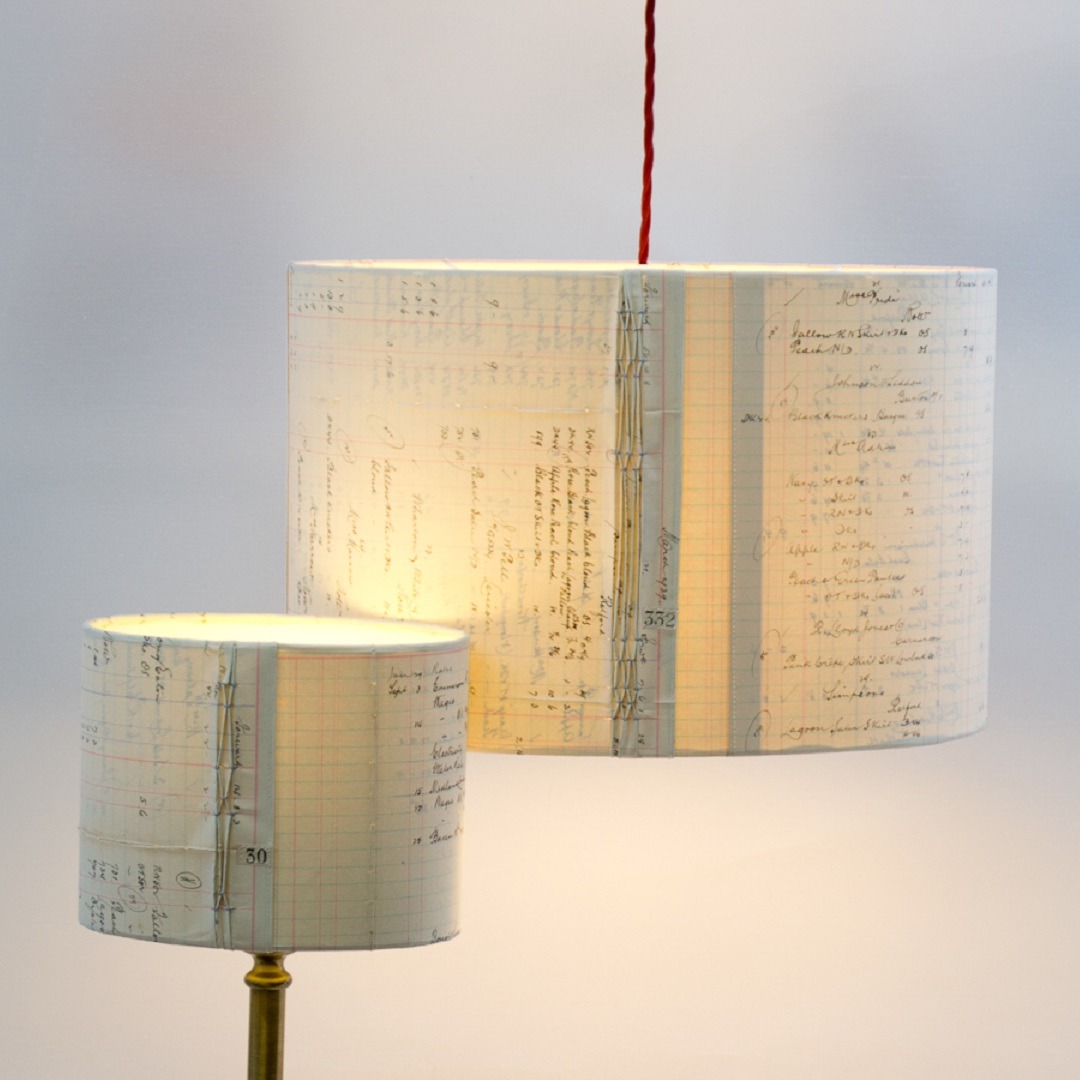
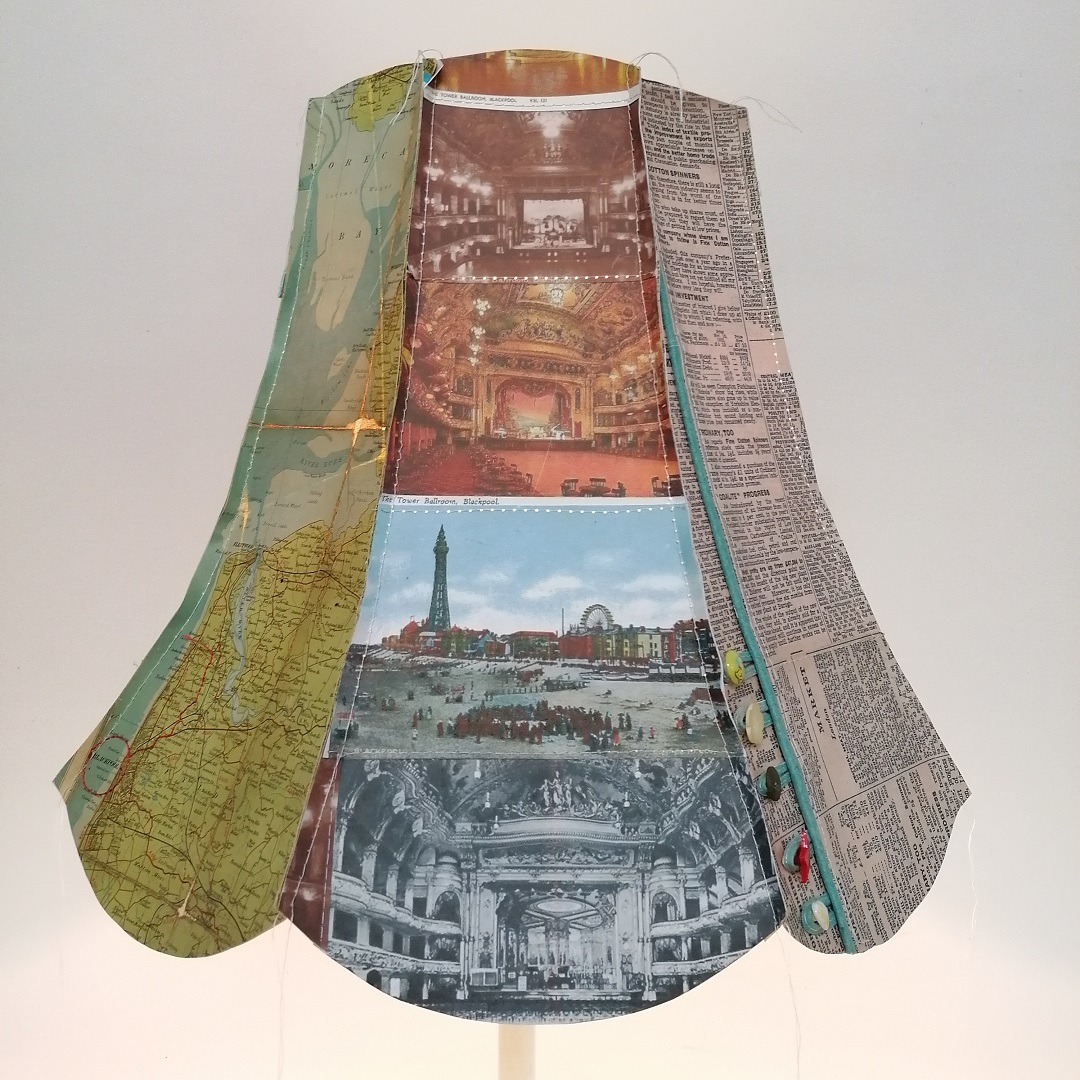
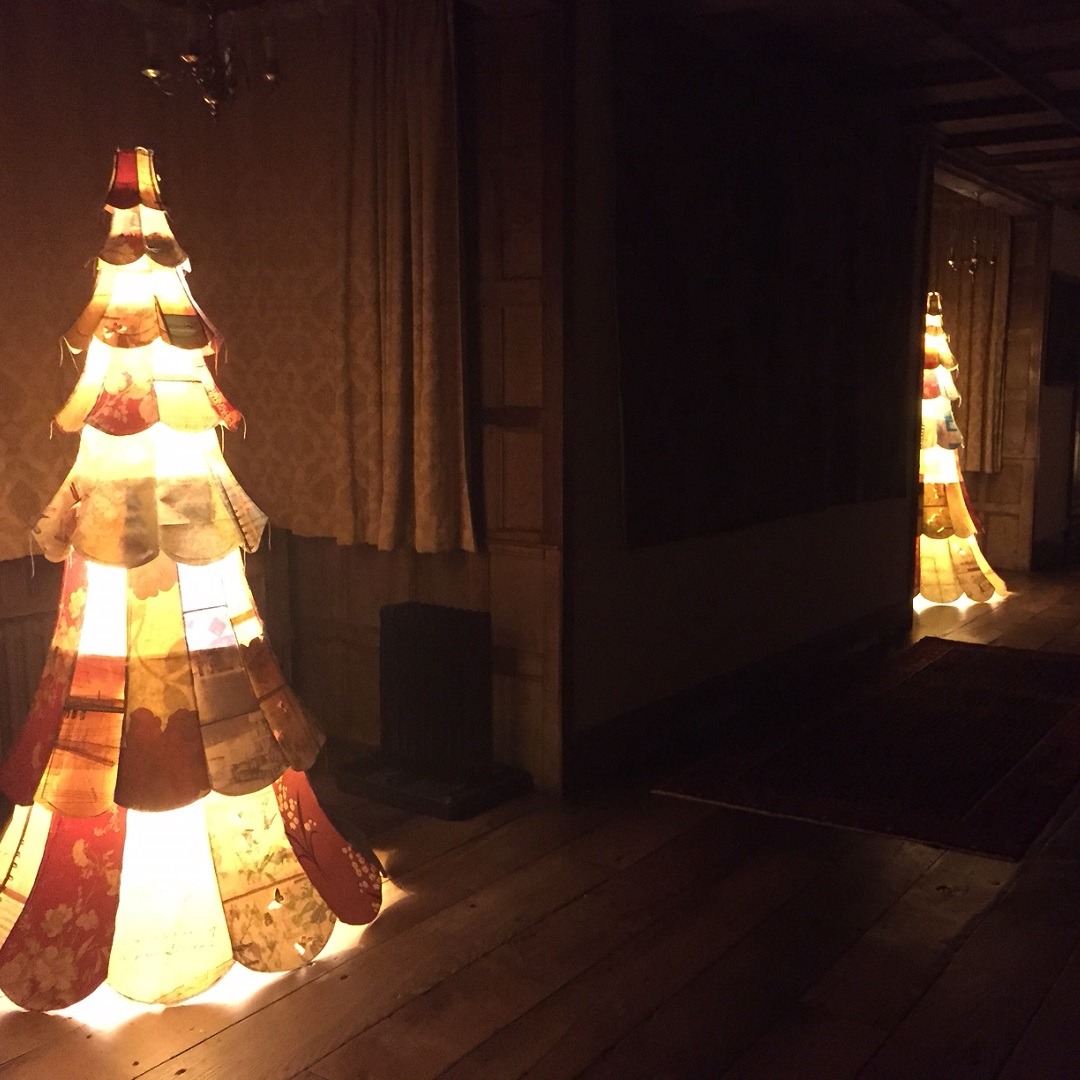
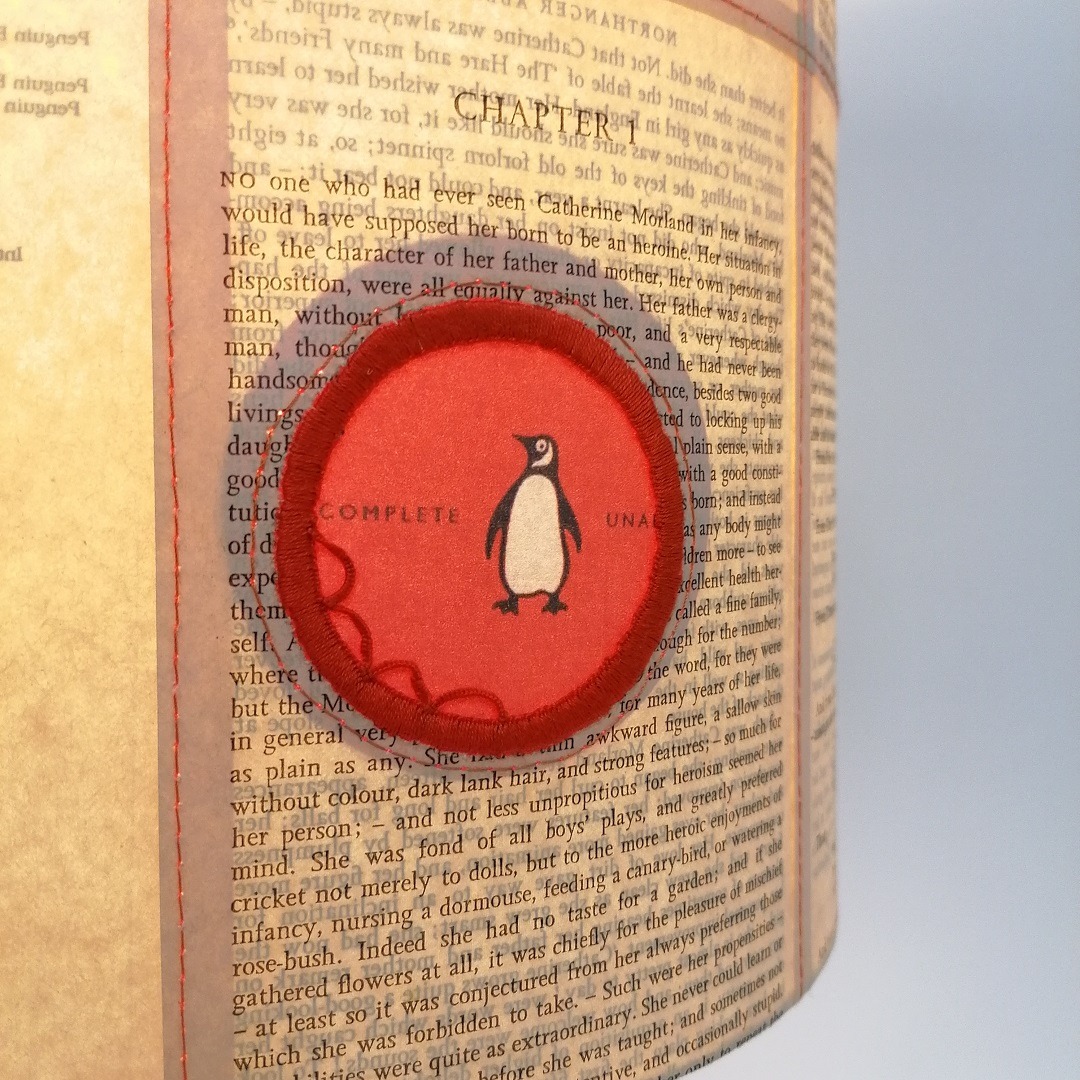
In 2018, I was asked to return to a National Trust property, Packwood House in Solihull. For the previous commission, I’d made 13 lit paper lampshade trees from stacked paper lampshades constructed from archive papers, maps and site-specific papers, as well as many other paper decorations throughout the property. So when they asked me to work with them again, I jumped at the chance.
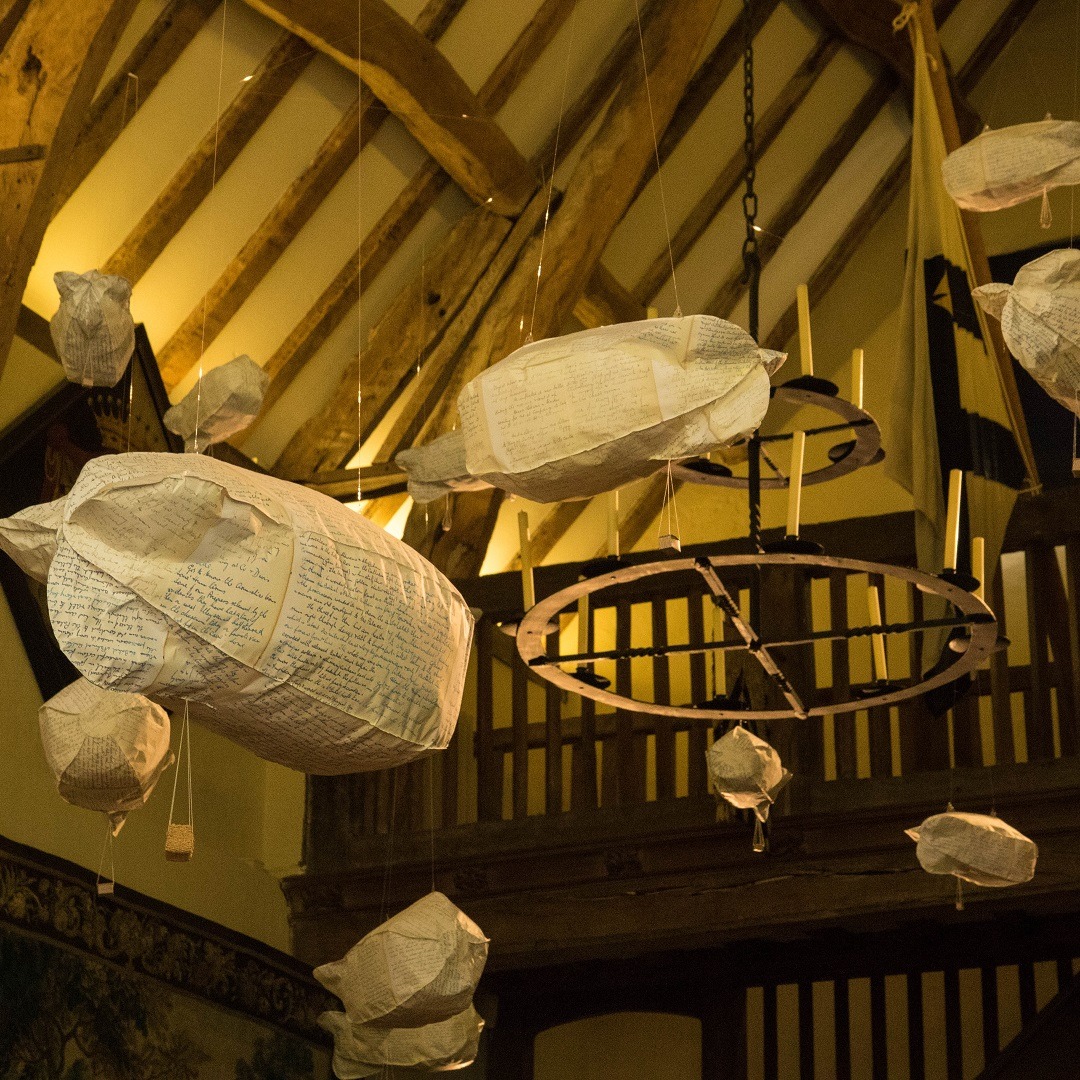
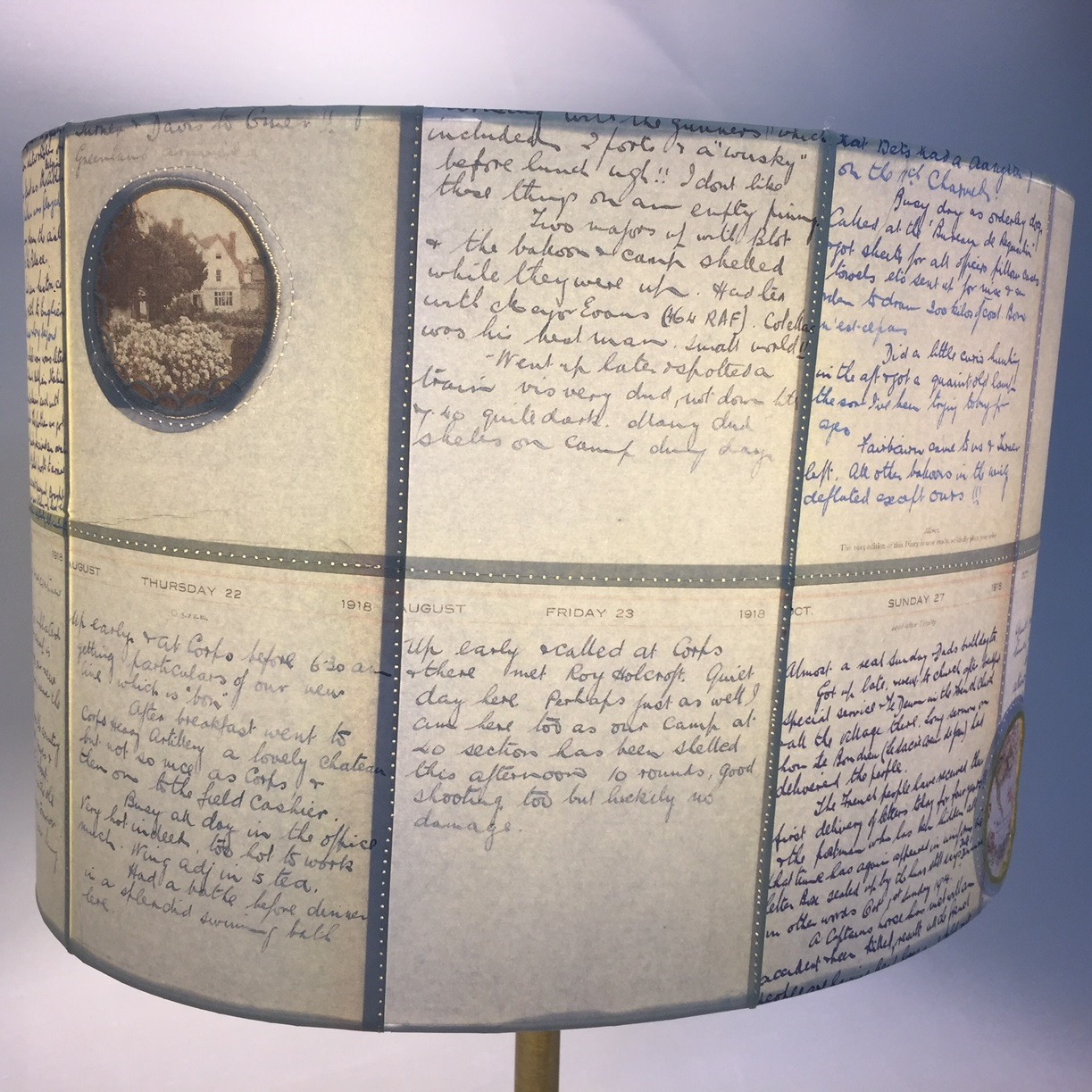
I was asked to make First World War observation balloons created from copies of the donor families’ war diaries. The original balloons were the shape of Zeppelins and made from silk. I recreated these to scale from stitched paper, even down to the basket underneath. As I’d done lighting for this property before, part of the brief was to make elliptical light shades for their visitor reception, to give a clue as to the work displayed inside the property, and this led to my range of lozenge paper light shades.
Releasing control
I usually spend the early part of the year focusing on forward planning, but I’ve learnt not to overthink it. I try to trust that exciting projects and opportunities will come my way – they are just quite hard to control.
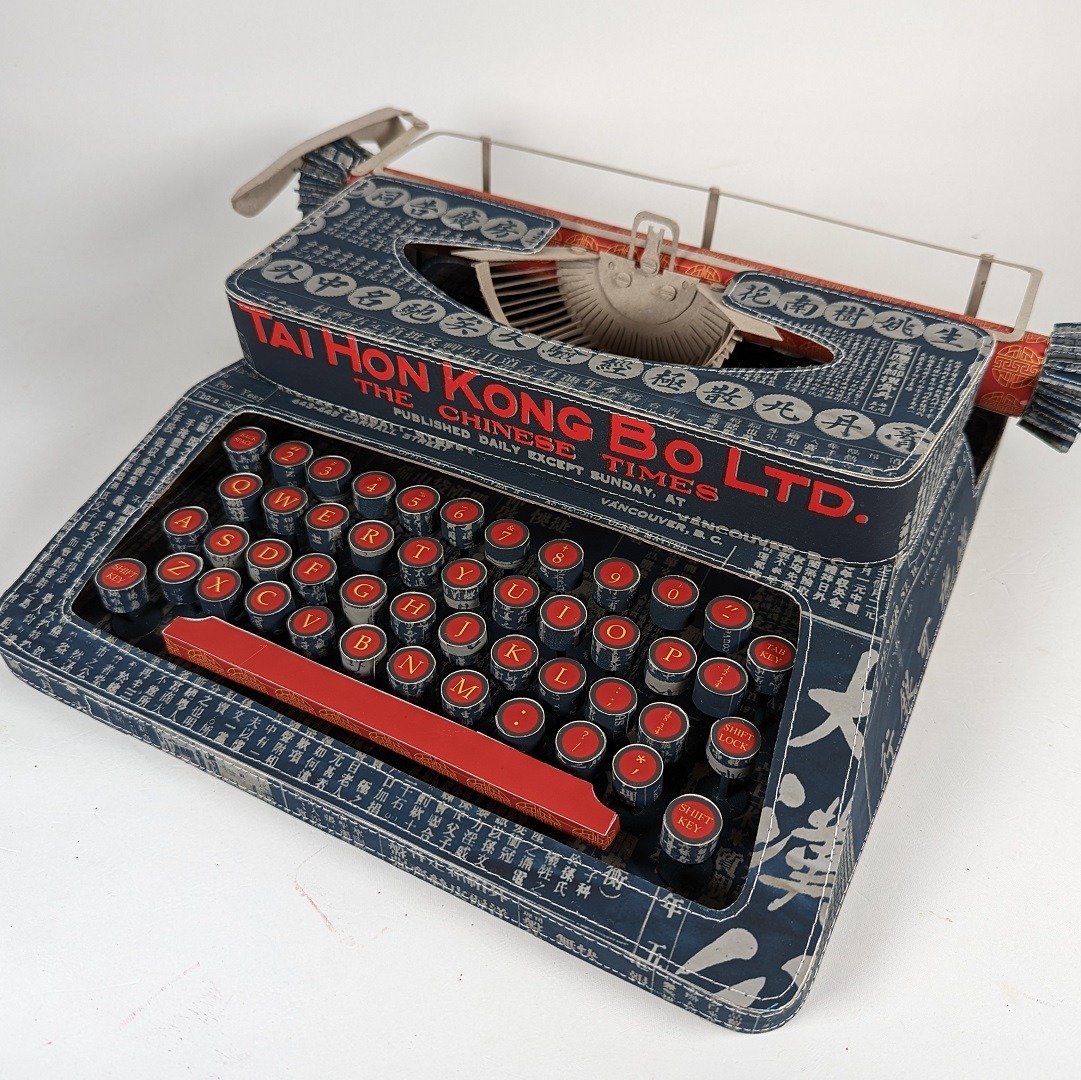
I’ve had opportunities like making work for an exhibition in Canada, commemorating the 100th anniversary of Canada’s 1923 Chinese Exclusion Act, which was hosted by the Chinese Canadian Museum in the historic Wing Sang building in the heart of Vancouver’s Chinatown. I have also worked on several National Trust commissions.
I have no idea what direction my work will take in the future and that is the really exciting bit!

10 comments
Kat Hover
I love Jennifer’s work. I took one of her courses in Stitch Club a few years ago and still refer back to it when doing some of the techniques she taught.
Siân Goff
That is so great to hear, Kat. Wonderful that the workshop has been so valuable to your art practice. Thank you so much for letting us know!
Mimi McKendry
Jennifer is very clever and original.
Siân Goff
She really is. We marvel at her creations! Thank you for your comment, Mimi.
Barb
What original and creative work! Those lampshades gave me an amazing idea for my new home.
Siân Goff
The lampshades are particularly brilliant. I’m so glad you’re feeling inspired!
Louise Cook
Beautiful, original creations.
Christine Kolinsky
Find all of these examples of Jennifer’s work so inspiring! I would definitely like to try making a lampshade with one of my old diaries from when I was at junior school.
Siân Goff
That sounds like a really exciting idea. The best time to start is now! 😉
Siân Goff
Indeed! Jennifer’s work is so unique. Thanks for your comment.